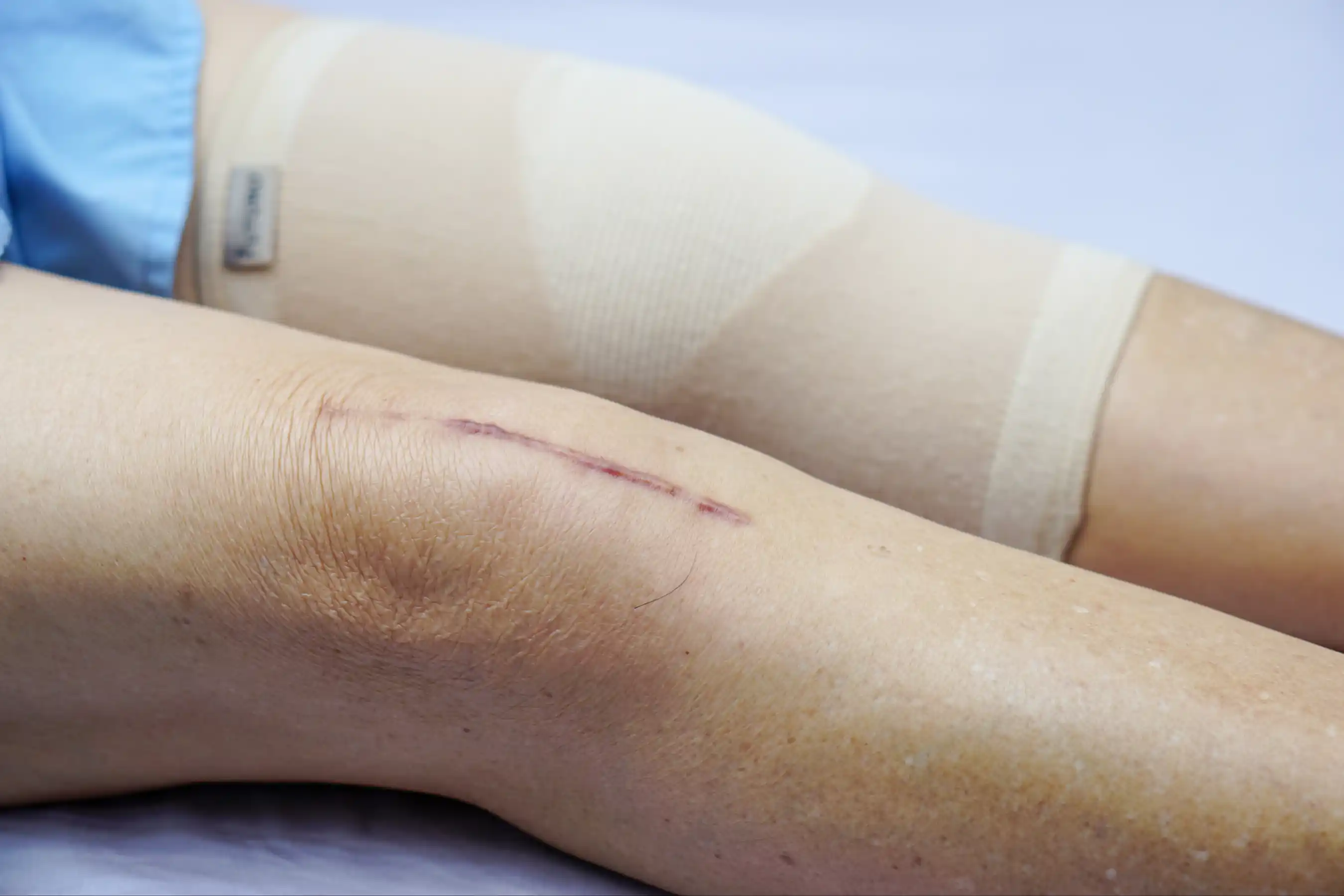
Key Takeaways
- Modern knee replacements are built to last for many years, and large studies show most hold up well for decades.
- A major review found that about 82 percent of total knee replacements last 25 years.
- Age, body weight, activity level, and overall health all influence how long an implant lasts.
- Low-impact activity and healthy habits can help protect your new joint.
- Regular follow-up visits help your surgeon catch early signs of wear before they become bigger problems.
- Torrez Orthopedics offers expert knee replacement and long-term follow-up care supported by Enovis technology, so request an appointment to plan with confidence.
Factors That Influence How Long a Knee Implant Lasts
How long a knee replacement lasts depends on more than the implant itself. Several factors play a role:
- Age at surgery. Younger, more active patients place more total demand on an implant over a lifetime.
- Body weight. Extra weight adds stress to the joint with every step, which can speed up wear.
- Activity level and type. High-impact activities wear implants faster than walking, swimming, or cycling.
- Bone quality. Strong, healthy bone supports better fixation of the implant.
- Surgical technique and alignment. Careful placement helps spread forces evenly across the joint.
- Overall health. Conditions such as diabetes and habits like smoking can affect healing around the implant.
Many of these factors are in your hands, which means your choices after surgery matter as much as the procedure itself.
What Modern Implant Design Is Built to Support
Knee replacement technology has improved a great deal. A systematic review and meta-analysis published in The Lancet looked at long-term survival of knee replacements. Using pooled national registry data, the authors found that approximately 82 percent of total knee replacements last 25 years. Partial knee replacements, which replace only one side of the joint, had a lower rate of about 70 percent at 25 years.
A Harvard Health summary of the same research reports that total knee replacements lasted even longer in the earlier years: 93 percent at 15 years, 90 percent at 20 years, and 82 percent at 25 years.
Modern total knee replacement implants are designed to handle everyday life, including walking, climbing stairs, and low-impact exercise. The AAOS notes that with normal use, every knee implant slowly begins to wear in its plastic spacer, which is why long-term care and healthy habits matter.
How Activity Level and Body Weight Can Affect Longevity
Staying active is good for your health, and it helps your new knee stay strong. The goal is to choose activities that keep you moving without putting excess stress on the implant.
| Generally Well Tolerated | Use More Caution |
|---|---|
| Walking and hiking | Running and jogging |
| Swimming and water exercise | High-impact aerobics |
| Cycling, outdoors or stationary | Jumping sports |
| Golf | Contact sports |
| Light weight training | Singles tennis or basketball |
Body weight matters too. Even modest weight loss can reduce the load your knee carries each day, which may help the implant last longer. Your surgeon can give you guidance based on your own health and activity goals.
Signs That May Warrant a Follow-Up Evaluation
Most knee implants work well for many years, but it helps to know what deserves a call to your surgeon. Watch for:
- New or returning knee pain, especially with activity
- Swelling that is new or keeps coming back
- A feeling of looseness or instability in the knee
- Clicking, popping, or grinding that was not there before
- Less bending or new stiffness
- A change in how you walk, such as a new limp
- Warmth, redness, or fever, which should be checked right away
If any of these appear, especially after a long stretch of feeling good, schedule an evaluation instead of waiting to see if it passes.
Why Ongoing Follow-Up Care Supports Long-Term Results
Routine follow-up visits let your surgeon check on your implant over time, often with periodic X-rays, even when everything feels fine. These visits help catch small changes early. They are also a good time to ask about activities, review any new symptoms, and make sure the joint is staying stable.
When recovering with Torrez Orthopedics, patients keep access to their surgical team well beyond the first months after surgery, so questions never have to wait.
Plan for the Long Term With Torrez Orthopedics
A successful knee replacement is about more than the day of surgery. It is about years of comfortable, active living, supported by a well-placed implant, healthy habits, and steady follow-up. Torrez Orthopedics offers modern knee replacement solutions and ongoing support to help your new joint go the distance.
Request an appointment with Torrez Orthopedics to discuss total knee replacement and what to expect for the long term.
Frequently Asked Questions
How long does a knee replacement last?
A large systematic review found that about 82 percent of total knee replacements last 25 years, based on pooled national registry data. Many last for decades, though results vary by patient.
What is the typical knee replacement lifespan?
Research summarized by Harvard Health shows 93 percent of total knee replacements lasting 15 years, 90 percent lasting 20 years, and 82 percent lasting 25 years. Your own results depend on factors like age, weight, and activity level.
What affects total knee replacement longevity?
Age at surgery, body weight, activity level, bone quality, surgical technique, and overall health all play a role. Choosing low-impact activities and keeping a healthy weight can help protect the implant.
How do I find a knee replacement surgeon near me?
Look for a board-certified orthopedic surgeon with deep experience in knee replacement and a strong focus on long-term results. Torrez Orthopedics offers knee replacement and follow-up care across the Cedar Valley.
What follow-up care is needed after knee replacement?
Follow-up usually includes periodic office visits and X-rays to monitor the implant, even when you feel fine. These check-ins help your surgeon spot early wear or loosening and address concerns quickly.
