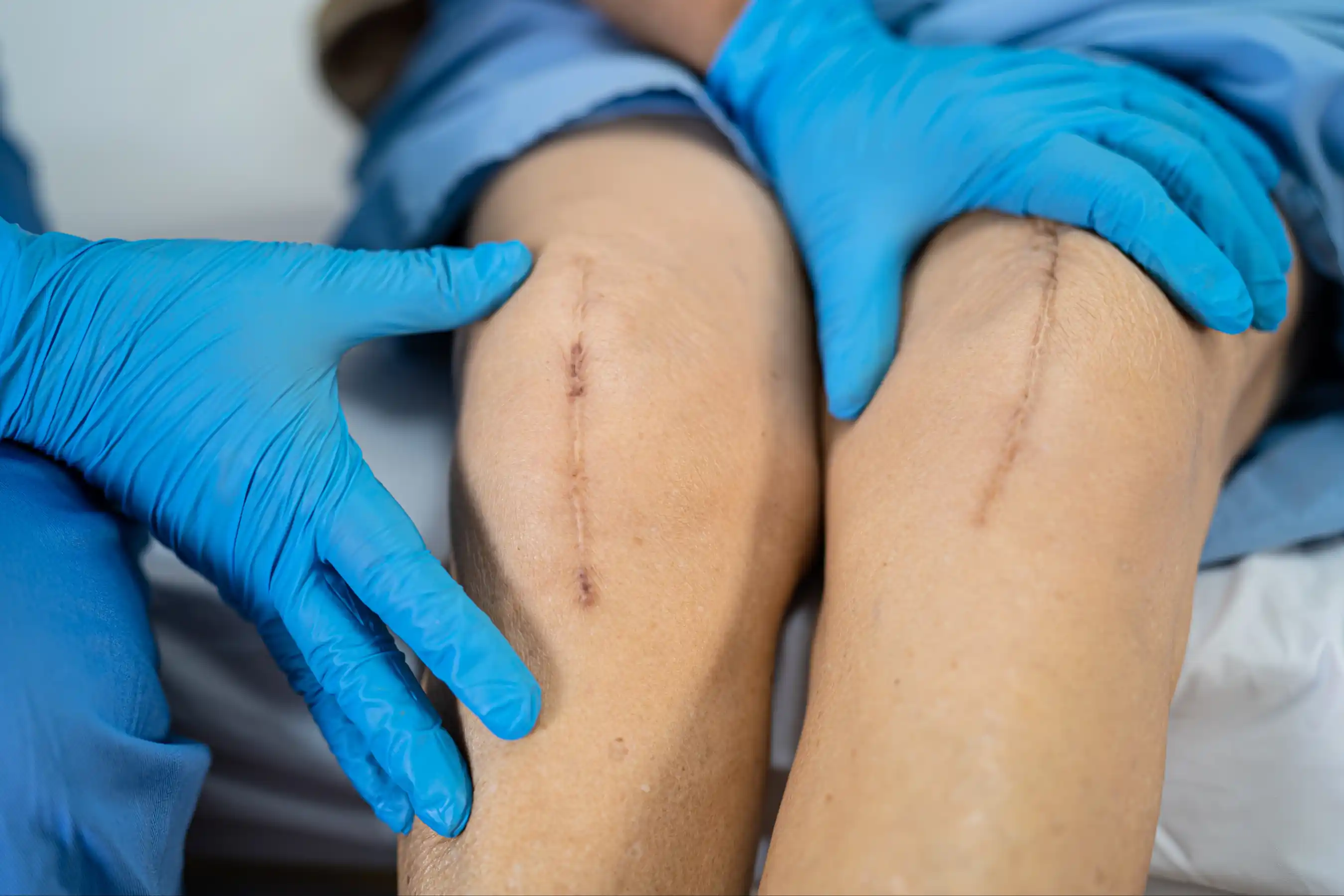
Key Takeaways
- Knowing what to expect during recovery can make knee replacement feel far less overwhelming.
- Movement starts early, often on the day of surgery, and the first days focus on pain control, gentle motion, and walking with support.
- Most people progress from a walker or crutches to a cane and then to walking on their own over the following weeks.
- Physical therapy is the centerpiece of recovery, and a full recovery generally takes several months.
- Age, overall health, and how closely you follow your rehab plan can all change your personal pace.
- Torrez Orthopedics offers expert knee replacement care and recovery guidance supported by Enovis technology, so request an appointment to plan your procedure with confidence.
What the First Days After Surgery Typically Involve
The first days after a total knee replacement set the tone for recovery. Surgery usually takes about one to two hours, and the length of any hospital stay depends on your individual needs.
In the first days, you can generally expect:
- Pain management with medicine, ice, and elevation
- Gentle knee exercises, often started shortly after surgery
- A first walk with support, usually using a walker or crutches
- Swelling and bruising around the knee, which is normal
- Steps to lower the risk of blood clots, such as moving often and, in some cases, blood thinners prescribed by your surgeon
The Mayo Clinic notes that the risk of blood clots goes up after knee replacement, which is one reason early movement and following your care team's instructions matter so much.
General Timelines for Walking, Driving, and Returning to Daily Activities
Every person recovers a little differently, so treat these timelines as a general guide. Your surgeon will tell you what is right for you.
| Timeframe | What Many Patients Experience |
|---|---|
| Day of surgery to first week | Walking short distances with a walker or crutches, gentle exercises, and managing pain and swelling |
| Weeks 1 to 2 | Daily walking at home, early physical therapy, and moving toward lighter support as strength and balance allow |
| Weeks 2 to 6 | More independence, a cane for some patients, and a return to many light daily activities |
| Weeks 6 to 12 | Better strength and endurance, longer walks, and a return to more routine activities |
| Months 3 to 6 and beyond | Continued strengthening and steady improvement, with a full recovery taking several months |
A few notes on common questions:
- Walking. Walking is one of the best ways to help your knee recover, and you will slowly add distance as your muscles get stronger.
- Driving. Most people can drive again once they are off prescription pain medicine and can react safely. Your surgeon will clear you.
- Work. Desk jobs often allow an earlier return than jobs that involve kneeling, climbing, or heavy lifting.
Why Physical Therapy Plays Such a Central Role
Physical therapy is the engine of knee replacement recovery. The AAOS total knee replacement exercise guide explains that exercises can begin shortly after surgery, even in the recovery room, and that early activity helps your knee regain strength and movement. The same guide describes walking as one of the best ways to help your knee recover.
A typical therapy plan includes:
- Knee straightening and bending exercises to restore motion
- Walking practice that grows a little each week
- Strength work for the thigh, hip, and calf muscles
- Balance training to build confidence on your feet
- Stair practice once basic walking feels comfortable
- A home exercise plan to keep progress going between visits
Doing your exercises on schedule, even on days that feel slow, is one of the most useful things you can do for your own recovery.
How Long Full Strengthening and Healing Can Take
Feeling better and being fully healed are two different things. Many people feel comfortable doing everyday tasks within weeks, but deeper strengthening and healing continue for months. The AAOS guide states that a full recovery takes several months.
During this longer stretch, you can expect:
- Less swelling over time, though some puffiness after busy days is common
- Gradual strength gains in the muscles that support the knee
- Better flexibility as scar tissue softens
- Growing confidence with stairs, uneven ground, and longer walks
Progress is rarely a straight line. A tough day is normal and does not mean something is wrong.
What Can Affect an Individual Patient's Recovery Pace
Two people can have the same surgery and recover at different speeds. Common factors include:
- Your health before surgery, including strength and fitness
- Age and bone health
- Other health conditions, such as diabetes
- Weight, since extra weight adds stress to a healing knee
- Smoking, which can slow healing
- How closely you follow your therapy plan
- Your home setup and support, such as help with meals and rides
Getting stronger before surgery and setting up your home ahead of time can give your recovery a head start.
Recover With Confidence at Torrez Orthopedics
Knee replacement recovery is a journey, and it goes more smoothly with clear expectations and a team behind you. When recovering with Torrez Orthopedics, you have access to your surgical team for questions, check-ins, and guidance from the first day through the months of strengthening that follow.
Request an appointment with Torrez Orthopedics to talk about total knee replacement and what your personal recovery timeline could look like.
Frequently Asked Questions
What is the knee replacement recovery time?
Many people return to light daily activities within several weeks, but a full recovery generally takes several months. Your personal timeline depends on your health, your age, and how closely you follow your rehab plan.
How long is knee replacement recovery for walking without help?
Most patients start with a walker or crutches, then move to a cane, and then walk on their own over the following weeks. The pace varies, and your surgeon and physical therapist will guide each step.
What does the knee surgery recovery timeline look like?
The timeline starts with pain control and early walking in the first days, builds independence over the first few weeks, and continues with strengthening for several months. Most people notice steady progress along the way.
How long does total knee replacement healing take?
The surface incision heals within weeks, while deeper healing and strengthening take longer. A full recovery generally takes several months, and swelling can linger on busy days.
How long is knee replacement rehab time?
Formal physical therapy often lasts several weeks, with a home exercise plan continuing after that. Strength and endurance keep improving for months as you return to your normal activities.
