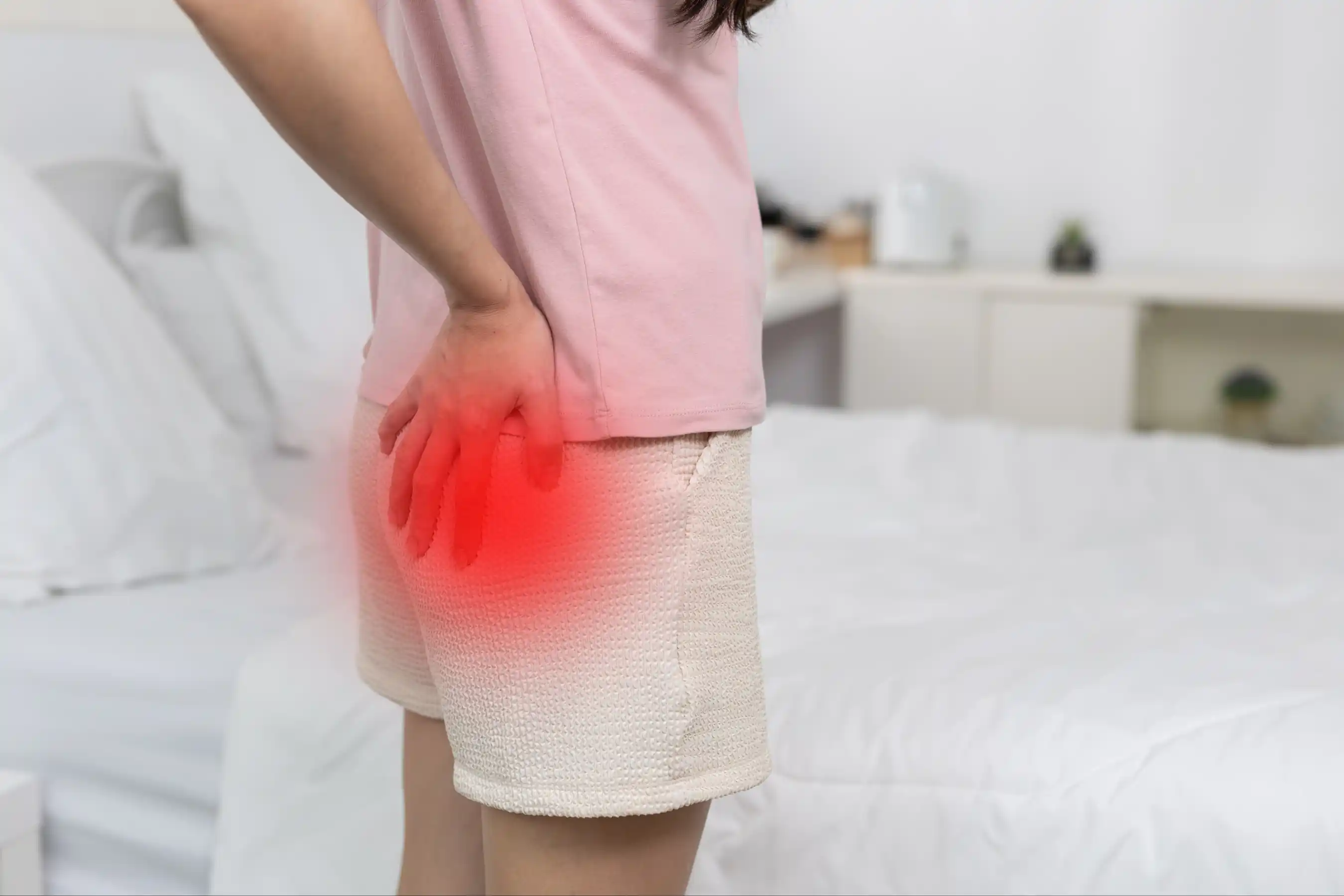
Key Takeaways
- Chronic hip pain often develops slowly, and many patients adjust their lives around it without realizing how much it has taken over.
- Pain becomes more than 'manageable' when it consistently limits sleep, movement, mood, or daily activities.
- Treatment options range from physical therapy and medication management to hip replacement for advanced cases.
- Long-term pain can affect emotional wellbeing, relationships, and quality of life, not just physical function.
- September is Pain Awareness Month, and it's a meaningful time to take stock of your symptoms and seek professional guidance.
- Torrez Orthopedics offers expert hip pain evaluation and treatment supported by Enovis technology, so request an appointment to start finding relief.
How Chronic Hip Pain Affects Quality of Life
Chronic hip pain rarely announces itself all at once. It tends to creep in gradually, showing up as a little stiffness getting out of bed, a twinge when climbing stairs, or a dull ache after a long day. Over months and years, many patients unconsciously adapt their entire routine around it. They stop taking walks with friends, skip activities they used to enjoy, or start avoiding stairs altogether.
According to the Centers for Disease Control and Prevention, arthritis, a leading cause of chronic hip pain, affects more than 50 million adults in the United States and is a major cause of disability. What starts as a minor limitation can gradually reshape how someone moves through daily life.
When Pain Becomes More Than 'Manageable'
Many patients describe their hip pain as 'manageable' for years before seeking care, but manageable often just means they have adjusted their expectations downward. It helps to ask honestly whether pain has crossed certain thresholds:
- Sleep disruption. Waking up due to hip pain, or struggling to find a comfortable sleeping position.
- Activity avoidance. Skipping social events, exercise, or hobbies because of pain or fear of pain.
- Medication reliance. Needing over-the-counter or prescription pain relievers on most days just to function.
- Compensating movement patterns. Limping, favoring one side, or using furniture to steady yourself.
- Reduced independence. Needing help with tasks that used to be simple, like putting on shoes or getting out of a car.
If any of these sound familiar, pain has likely moved beyond what should be considered 'manageable.'
Treatment Options Including Hip Replacement
Chronic hip pain doesn't have a one-size-fits-all solution, and treatment usually progresses in stages:
- Conservative care first. Physical therapy, anti-inflammatory medications, weight management, and activity modification are typically tried first.
- Injections. Corticosteroid or hyaluronic acid injections can provide temporary relief for some patients.
- Assistive devices. Canes or braces can reduce joint stress while other treatments take effect.
- Total hip replacement. For patients with advanced arthritis or joint damage, hip replacement offers durable, long-term relief when conservative options no longer work.
The table below compares common treatment paths:
| Treatment | Best For | Duration of Relief |
|---|---|---|
| Physical Therapy | Mild to moderate pain, early arthritis | Ongoing, requires consistency |
| Anti-Inflammatory Medications | Flare-ups, mild to moderate pain | Short-term |
| Corticosteroid Injections | Moderate pain, inflammation | Weeks to months |
| Total Hip Replacement | Severe, end-stage arthritis | 20+ years for most patients |
Your orthopedic surgeon can help determine where you currently fall on this spectrum and what the right next step looks like.
Emotional Impact of Long-Term Pain
Chronic pain affects far more than the physical body. Living with ongoing hip pain can contribute to frustration, low mood, social withdrawal, and a sense of losing control over your own life. Patients often describe feeling like their world has gotten smaller, with fewer outings, less activity, and more time spent managing discomfort rather than living fully.
It's important to recognize that these emotional effects are a real and valid part of the chronic pain experience, not a separate issue to feel guilty about. Addressing the physical source of pain often brings meaningful relief to the emotional burden as well.
Encouragement to Seek Professional Care
Pain Awareness Month is a good reminder that chronic pain isn't something you have to quietly accept. If hip pain has been shaping your daily choices for months or years, professional evaluation can open up options you may not have realized were available.
You don't need to already know the answer or have tried everything on your own first. A conversation with an orthopedic specialist can clarify where you are, what's realistic, and what your next step could look like.
Take Back Your Life From Chronic Hip Pain With Torrez Orthopedics
Chronic hip pain can quietly take over daily life, but it doesn't have to stay that way. With a full range of treatment options, from conservative care to advanced hip replacement, Torrez Orthopedics helps patients find lasting relief and get back to living fully.
This Pain Awareness Month, request an appointment with Torrez Orthopedics to talk through your hip pain and explore your options for relief.
Frequently Asked Questions
What are common hip pain treatment options?
Common hip pain treatment options include physical therapy, anti-inflammatory medications, weight management, activity modification, corticosteroid or hyaluronic acid injections, and, for advanced cases, total hip replacement. Your orthopedic surgeon can help determine which option fits your situation.
What are the most common hip pain causes?
The most common causes of hip pain include osteoarthritis, rheumatoid arthritis, bursitis, tendonitis, labral tears, and hip fractures. Pain can also stem from referred issues in the lower back or overuse from repetitive activity.
What does sudden hip pain without injury usually mean?
Sudden hip pain without an obvious injury can indicate an underlying condition like arthritis flare, bursitis, a stress fracture, or referred pain from the spine. It's important to see an orthopedic specialist for an accurate diagnosis, especially if the pain is severe or persistent.
What helps with hip arthritis pain relief?
Hip arthritis pain relief often starts with physical therapy, anti-inflammatory medications, and activity modification. Some patients also benefit from corticosteroid injections. When conservative treatments no longer provide adequate relief, total hip replacement is a proven long-term solution.
What is Pain Awareness Month?
Pain Awareness Month is observed each September to raise public understanding of chronic pain conditions and encourage people living with ongoing pain to seek proper evaluation and treatment rather than simply enduring it.
