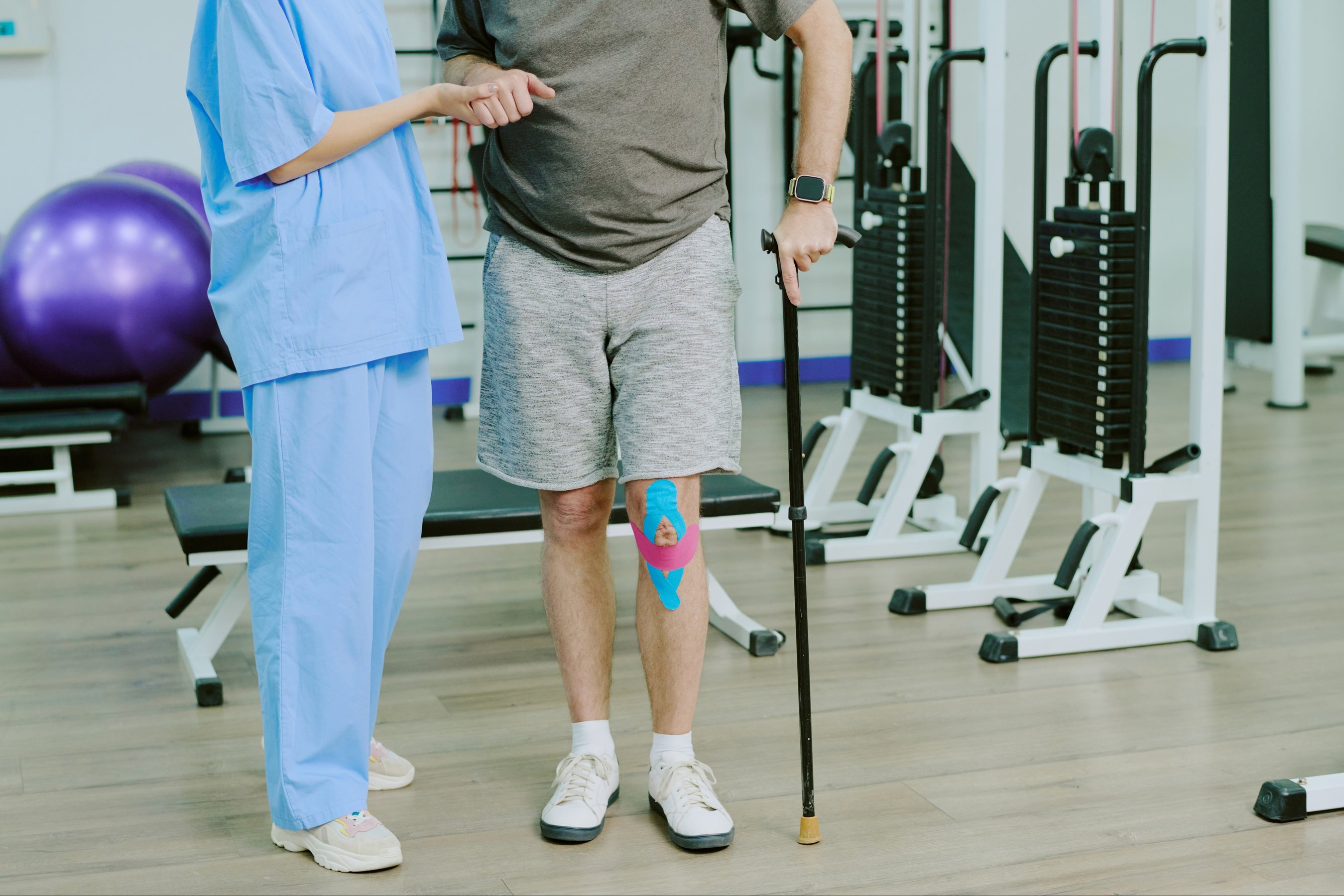
Key Takeaways
- A new hip or knee joint allows you to move freely and comfortably again, but success depends on a steady and mindful recovery.
- Gentle, low-impact exercise and consistent movement are key to protecting your new joint and improving long-term mobility.
- Building healthy habits, such as maintaining good posture, balanced nutrition, and regular checkups, helps your joint replacement last longer.
- Torrez Orthopedics uses innovative technology, including Enovis joint replacement solutions, to support precise outcomes and long-term joint function.
- Dr Benjamin Torrez and his team at Torrez Orthopedics in Cedar Falls provide advanced joint replacement care and personalized recovery guidance to help you stay active for life. Schedule your recovery follow-up today to move confidently again.
Embracing Movement After Joint Replacement
A successful joint replacement isn't just about surgery; it's about what comes next. Whether you've received a total hip or total knee replacement, your new joint represents an opportunity to live without pain, rediscover mobility, and return to the activities you love.
At Torrez Orthopedics, the recovery process focuses on helping patients regain strength, balance, and confidence while protecting the new joint. With the right plan and support, most people return to daily activities within weeks and enjoy continued improvement for months afterward.
Building an Active Routine Safely
After joint replacement, physical activity is essential, but so is pacing yourself. Here's how to find the right balance.
1. Follow Your Rehabilitation Plan
Rehabilitation begins soon after surgery. Early exercises, guided by your orthopedic team or physical therapist, promote circulation and prevent stiffness.
As your strength increases, therapy progresses to include balance training and functional movement, such as walking or stair climbing.
At Torrez Orthopedics, Dr. Torrez and his care team tailor each recovery plan to your specific goals and abilities, ensuring you regain motion safely and effectively.
2. Start with Low-Impact Activities
Low-impact exercise reduces stress on your new joint while improving flexibility and endurance. Ideal activities include:
- Walking: A simple yet effective way to rebuild strength and mobility.
- Cycling: Stationary or outdoor cycling enhances joint mobility and flexibility.
- Swimming or Water Aerobics: The buoyancy of water supports your weight and minimizes pressure on joints.
- Gentle Yoga or Stretching: Improves posture and balance without overexerting the new joint.
Avoid high-impact activities like running or jumping until cleared by your surgeon.
3. Maintain a Healthy Weight and Nutrition
Weight management plays a major role in joint longevity. A balanced diet rich in lean proteins, vegetables, and anti-inflammatory foods supports healing and reduces strain on your hips or knees.
Drinking water regularly and maintaining good hydration also helps keep your muscles flexible and joints lubricated.
Setting Realistic Fitness Goals
It's natural to want to return to full activity quickly, but gradual progress is key to protecting your new joint and ensuring lasting results.
| Goal Area | Initial Focus | Long-Term Outcome |
|---|---|---|
| Mobility | Gentle range-of-motion exercises | Comfortable daily movement |
| Strength | Physical therapy & light resistance | Stable and powerful muscles around the joint |
| Endurance | Short walks, low-impact cardio | Longer activity sessions without fatigue |
| Lifestyle | Regular routines & goal tracking | Confidence and independence |
Dr. Torrez encourages patients to measure success not by speed but by consistency and comfort, every milestone is a step toward freedom of movement.
Supporting Your Recovery Beyond Exercise
Daily Habits That Protect Your New Joint
Incorporate these habits into your routine to keep your joint healthy and functioning smoothly:
- Warm up before activity to prepare your muscles.
- Use supportive footwear to reduce impact and maintain balance.
- Avoid sitting for long periods; stand and stretch every hour.
- Follow posture and alignment techniques recommended by your therapist.
Mental and Emotional Well-Being
Staying active after joint replacement isn't only physical, it's also emotional. It's normal to experience moments of frustration during recovery, especially as you adjust to new routines.
Joining a support group, celebrating small victories, and maintaining communication with your care team can boost confidence and motivation.
Staying Connected with Your Orthopedic Team
Your partnership with Torrez Orthopedics continues long after your surgery. Follow-up visits help monitor progress, ensure your joint is healing properly, and allow for early detection of any complications.
Patients often appreciate the clinic's personalized approach, every checkup includes time for questions, guidance, and adjusting activity plans as your confidence grows. By keeping in touch with your surgeon and physical therapist, you'll maximize both the life of your implant and your quality of life.
Activities to Look Forward To
After completing recovery milestones, most patients return to activities they may have thought were no longer possible, such as:
- Golfing or light tennis
- Gardening and outdoor work
- Traveling comfortably without joint pain
- Playing with children or grandchildren
- Participating in low-impact fitness classes
Every success story reinforces the value of staying proactive about movement. With continued care, your new joint can help you enjoy years of active, independent living.
A Lifetime of Movement with Torrez Orthopedics
At Torrez Orthopedics, recovery goes beyond joint replacement, it's about restoring confidence, energy, and independence. Dr. Benjamin Torrez and his Cedar Falls team provide comprehensive rehabilitation plans tailored to your goals, helping you thrive long after surgery. With advanced technologies, such as Enovis hip and knee replacement systems designed for natural movement and lasting performance, patients receive high-quality care backed by innovation.
Ready to take the next step? Schedule your appointment to learn how our post-replacement recovery programs can help you move forward with strength and confidence.
Frequently Asked Questions
How soon can I start exercising after joint replacement?
Most patients begin gentle movement within 24-48 hours after surgery, under supervision. Your surgeon and therapist will guide you through progressive exercises that match your healing timeline.
Can I return to sports after a knee or hip replacement?
Yes-but it's important to choose low-impact sports like swimming, cycling, or golf. Activities that involve running or jumping should be avoided unless cleared by your orthopedic surgeon.
How long will my new joint last?
Modern implants, like those used by Dr Torrez, can last 15 to 20 years or more with proper care, depending on your activity level and overall health.
What should I avoid after joint replacement?
Avoid twisting, heavy lifting, or high-impact movement that can stress the implant. Instead, focus on gentle, controlled motions that strengthen your muscles and support joint health.
Do I still need checkups after I've recovered?
Yes. Even after full recovery, annual or biannual checkups help your orthopedic team monitor the integrity of your implant and ensure continued mobility and comfort.
